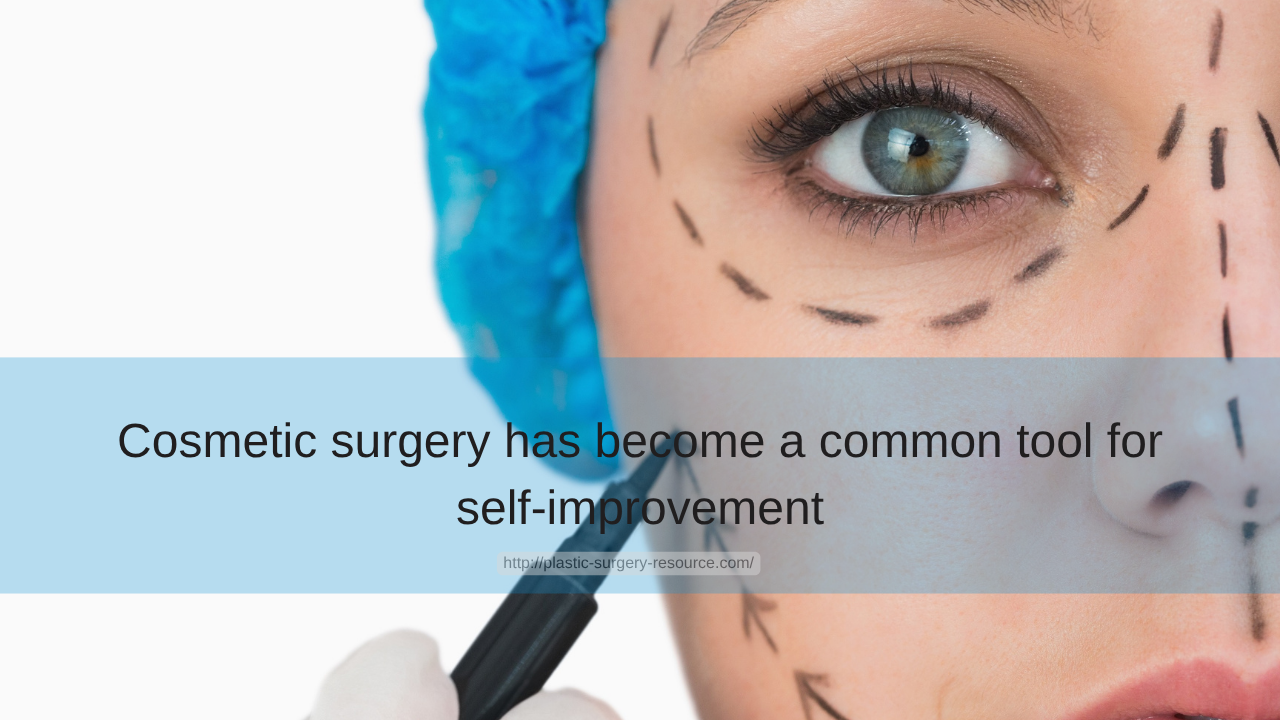
In a world that celebrates perfection, it’s easy to lose sight of what’s real. The rise of social media filters, influencer beauty trends, and constant exposure to “ideal” bodies has changed the way people see themselves. Cosmetic surgery has become a common tool for self-improvement, but for many, the line between enhancement and obsession has blurred. Beneath the surface of flawless images lies a growing mental health concern that deserves urgent attention: body dysmorphia.
Understanding Body Dysmorphia
Body Dysmorphic Disorder (BDD) is a mental health condition where a person becomes fixated on perceived flaws in their appearance. These flaws are often minor or even invisible to others, yet they can cause overwhelming distress. People living with body dysmorphia might spend hours comparing themselves to others, checking mirrors repeatedly, or seeking reassurance about how they look.
For some, cosmetic surgery feels like a solution. The hope is that changing a feature will finally bring peace and confidence. Unfortunately, surgery rarely resolves the underlying issue. Once one feature is altered, attention often shifts to another, creating a cycle of dissatisfaction that no amount of surgery can fix.
The Cosmetic Surgery Culture and Its Hidden Impact
The modern cosmetic surgery industry often promotes transformation as empowerment. While many procedures are performed responsibly and can boost confidence, the growing pressure to look “perfect” can distort expectations. In the Okanagan and beyond, clinics report an increase in patients seeking multiple procedures within short periods, often driven by anxiety or deep-rooted insecurity.
This culture of perfection can worsen symptoms of body dysmorphia. When individuals equate self-worth with physical appearance, each perceived flaw becomes an emotional burden. Without mental health support, even successful procedures may fail to bring the relief patients are searching for.
The Link Between Body Dysmorphia and Addiction
Body dysmorphia can lead to behaviors similar to addiction. The constant pursuit of physical “fixes” mirrors the compulsive patterns seen in substance use disorders. Each new procedure offers a brief emotional high, followed by disappointment and the urge for another. This pattern can take a toll on mental health, relationships, and financial stability.
Recognizing this link is essential for both patients and professionals. Treating cosmetic surgery dependency requires more than medical intervention—it calls for comprehensive mental health care that addresses the emotional and psychological roots of the behavior.
Holistic Recovery: Treating the Whole Person
At Plastic Surgery Resource, recovery is not about judgment or shame. It’s about understanding the deeper story behind each struggle. Holistic care integrates mental, physical, and spiritual healing to create a foundation for lasting change.
Mind and Emotional Healing
Therapies such as cognitive behavioral therapy (CBT), mindfulness practices, and trauma-informed counseling help individuals recognize distorted thought patterns and rebuild a healthier self-image.
Body Wellness
Physical health supports emotional recovery. Balanced nutrition, regular movement, and restorative rest help reconnect individuals to their bodies in positive, nurturing ways.
Faith and Spiritual Growth
For those seeking spiritual support, faith-based healing can offer strength, comfort, and purpose. Learning to see oneself through the lens of compassion and grace helps counter the inner critic that drives body dysmorphia.
Community Connection
Recovery is strengthened by belonging. Support groups and peer networks provide understanding and accountability, helping individuals realize they are not alone in their journey.
Inpatient and Outpatient Options in the Okanagan
Whether someone needs the structure of an inpatient program or the flexibility of outpatient care, help is available. Both approaches offer individualized treatment plans that combine therapy, education, and holistic support to meet each person where they are.
The goal is not to discourage self-care or cosmetic enhancement but to help individuals make choices rooted in self-love rather than self-criticism.
A Call to Look Beyond the Surface
Body dysmorphia is a real and painful condition that deserves compassion and understanding. In a society that prizes appearance, healing begins by shifting the focus from how we look to how we feel. True beauty is not found in perfection but in acceptance, balance, and peace within.
If you or someone you care about may be struggling with body dysmorphia or cosmetic surgery addiction, Plastic Surgery Resource is here to help. Our team offers holistic, faith-based, and individualized treatment options designed to heal the mind, body, and spirit.
Reach out today to start your journey toward recovery and rediscover your worth beyond the mirror.