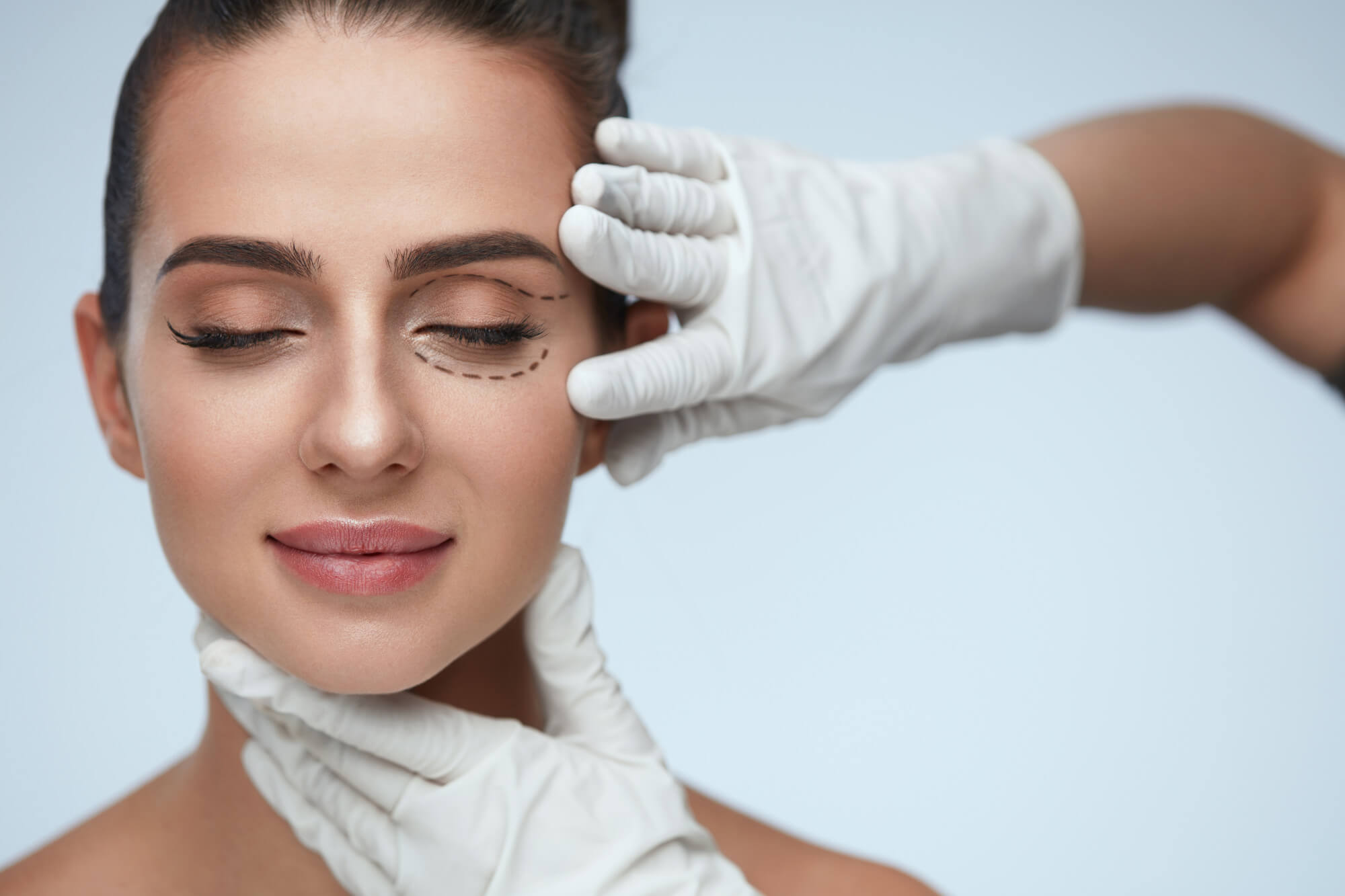
Cosmetic surgery has become a normalized part of modern self-care, especially in image-conscious regions like the Okanagan. From Kelowna’s thriving aesthetic clinics to boutique cosmetic studios in Vernon and Penticton, procedures such as Botox, lip fillers, facelifts, and body contouring are now seen as routine. But as the popularity of these treatments grows, so does a critical concern: when does the pursuit of beauty cross the line into addiction?
For many Okanagan residents, cosmetic enhancements start as minor fixes—a bit of Botox for forehead lines or a dermal filler to restore volume. These treatments often boost self-confidence, helping people feel refreshed and youthful. However, local mental health professionals are witnessing a troubling trend: an increasing number of individuals becoming dependent on cosmetic procedures, seeking more frequent and extreme alterations to their appearance.
This behavior is often linked to cosmetic surgery addiction, a condition not yet formally recognized in medical diagnostic manuals but increasingly acknowledged by healthcare providers. It’s characterized by an obsessive need to undergo aesthetic procedures, driven by distorted self-image, social pressures, or underlying psychological struggles. In the Okanagan’s wellness-driven culture—where looking good is often tied to success and self-worth—the risk of crossing this line is particularly high.
Dr. Megan Hartley, a Penticton-based therapist specializing in body image disorders, explains: “We’re seeing clients who initially sought a small enhancement, but over time, they begin to fixate on perceived flaws. No matter how many procedures they get, it’s never enough. The problem isn’t their appearance—it’s the emotional distress underneath.”
Social media adds fuel to the fire. Platforms like Instagram and TikTok constantly showcase filtered perfection, making natural beauty seem inadequate. In communities like Kelowna, where outdoor lifestyles and fitness are central to identity, this creates added pressure to maintain a youthful and sculpted look. The result is a subtle normalization of cosmetic procedures as just another part of personal upkeep.
Some local cosmetic practitioners are taking steps to address the issue. Ethical surgeons and medical aestheticians are learning to identify signs of addiction, such as repeated requests for unnecessary procedures or emotional volatility when advised against surgery. “We have a responsibility to protect our patients, even if it means turning away business,” says Dr. James Liu, a cosmetic surgeon in Kelowna. “Surgery should enhance life, not control it.”
Community education is crucial. Mental health support services in the Okanagan are urging residents to approach cosmetic enhancements with mindfulness. It’s important to understand the motivations behind the desire for change—whether it’s truly about self-improvement or a symptom of deeper emotional struggles like low self-esteem, anxiety, or body dysmorphia.
Ultimately, cosmetic procedures are not inherently harmful. They can be empowering when done for the right reasons. But in Okanagan communities, where the line between self-care and obsession can blur, balance is key. By promoting awareness, supporting mental health, and encouraging open conversations about beauty and self-worth, the region can ensure that the pursuit of aesthetic enhancement remains healthy—and doesn’t become a dangerous cycle.