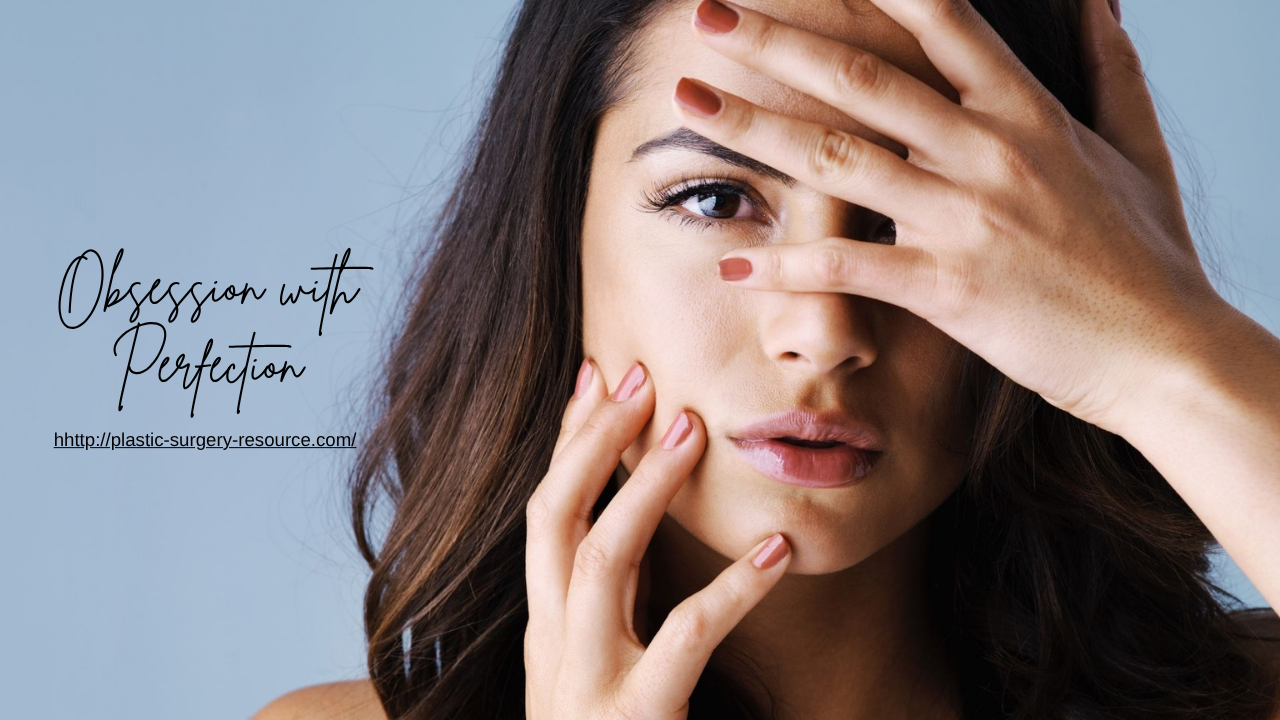
In the heart of British Columbia’s Okanagan Valley, a growing trend is raising concerns among mental health professionals and addiction recovery specialists. While the region is known for its natural beauty, vibrant lifestyle, and focus on wellness, there is a quieter issue emerging: cosmetic surgery addiction. For some, the pursuit of physical perfection has shifted from occasional self-care to a compulsive behavior that can have significant emotional, psychological, and even spiritual consequences.
Understanding Cosmetic Surgery Addiction
Cosmetic surgery addiction occurs when an individual develops a compulsive need to undergo repeated aesthetic procedures. It often stems from deeper mental health challenges such as body dysmorphic disorder, low self-esteem, or unresolved trauma. Rather than bringing lasting satisfaction, each surgery or treatment provides only temporary relief before new perceived flaws emerge.
In the Okanagan, this problem is amplified by a culture that values appearance, social media influence, and the wellness industry’s focus on youthfulness. While aesthetic procedures can be empowering when approached mindfully, they can also become a coping mechanism that distracts from the real emotional issues beneath the surface.
The Mental Health Connection
At its core, cosmetic surgery addiction is not about vanity. It is about emotional pain, distorted self-image, and a constant search for acceptance. Many individuals struggling with this form of addiction experience anxiety, depression, and feelings of isolation. Without proper intervention, they may spiral into a cycle of repeated surgeries that never bring the inner peace they are seeking.
Our approach recognizes that lasting recovery requires addressing the root causes. This means providing comprehensive mental health treatment that helps clients rebuild self-worth from the inside out. Through both inpatient and outpatient programs, individuals can work through these issues in a safe, supportive environment.
Holistic and Faith-Based Support
Treating cosmetic surgery addiction is not only about stopping the behavior. It is about healing the whole person—mind, body, and spirit. Holistic care may include counseling, group therapy, nutritional guidance, mindfulness practices, and physical wellness activities that promote a healthy relationship with one’s body.
For those seeking faith-based recovery, spiritual counseling can play a powerful role in rediscovering purpose, identity, and self-compassion. By integrating these approaches, recovery becomes more than just abstaining from surgeries. It becomes a journey toward true self-acceptance.
The Importance of Individualized Care
Every person’s story is different, which is why a one-size-fits-all approach does not work in recovery. Personalized treatment plans ensure that each individual receives the right combination of therapy, education, and support. This may involve trauma-informed care, relapse prevention strategies, and ongoing aftercare to help clients maintain their progress in everyday life.
Moving Toward True Healing
Cosmetic surgery addiction in the Okanagan is a complex issue, but it is not without hope. By addressing the mental health and emotional challenges that drive the behavior, individuals can break free from the cycle and rediscover confidence that comes from within.
If you or someone you love is struggling with cosmetic surgery addiction, you are not alone. Compassionate, professional help is available. Reach out today to begin your journey toward genuine healing and a renewed sense of self.